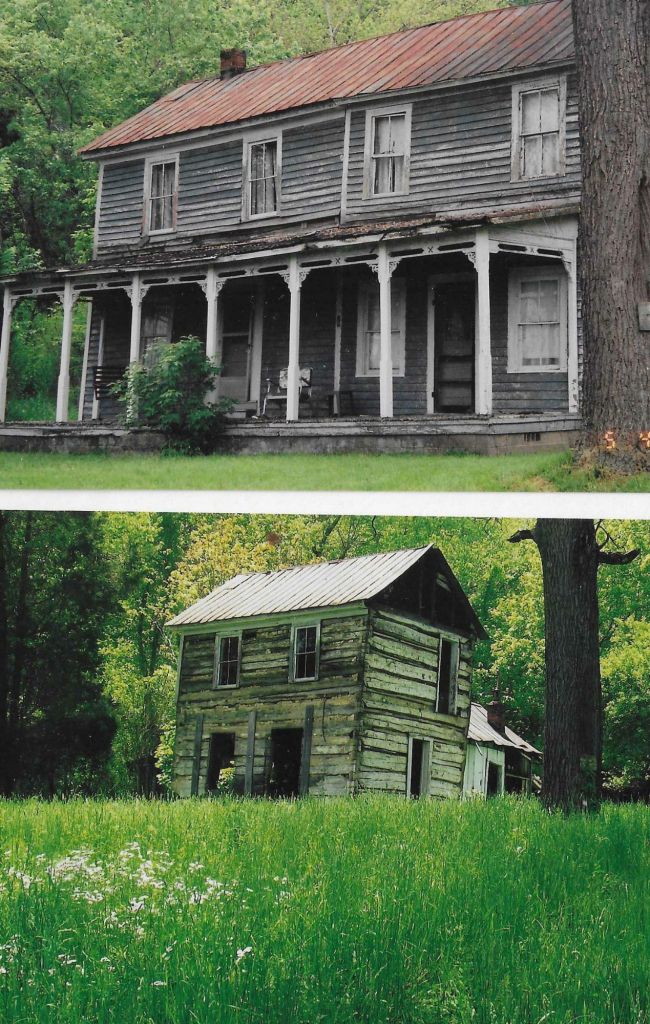
In my last post, I shared a brief memory of my grandmother and the woman she always referred to as her “nanny.” I was inspired to write it after reading a troubling post on Facebook where someone recounted a family using the N-word for their household caregiver. It shook me, because in my very large family, I have absolutely no memory of anyone ever using that word. My grandmother never used it. She spoke of her nanny with fondness and respect, and that was the standard of decency she passed down to us.
However, as a professional archivist, I know that oral family histories are beautiful but imperfect things. They have a way of compressing time, blending generations together until the timelines blur.
Shortly after publishing that post, I received a note from my dad’s cousin, Carolyn. She is the oldest living relative of that generation, and she is wonderful at keeping our history straight. Carolyn gently pointed out a major flaw in my timeline: because slavery was abolished in 1865, and my grandmother was born well after that, she could not have had an enslaved nanny.
Carolyn was entirely right about the timeline. The woman my grandmother remembered so fondly from her childhood in Kentucky was undoubtedly a hired domestic servant or worker.
But Carolyn’s correction got my archivist wheels turning. While the nanny of my grandmother’s youth was free, I knew the stories I grew up hearing about our ancestorstoal tales of vast tobacco crops and prized racehorses in Greenup County, Kentucky. My historical intuition told me that an operation of that scale required a massive amount of manual labor. I decided to dig into the archival records to see exactly what kind of world my grandmother’s people came from.
What I found was a heavy, complex history.
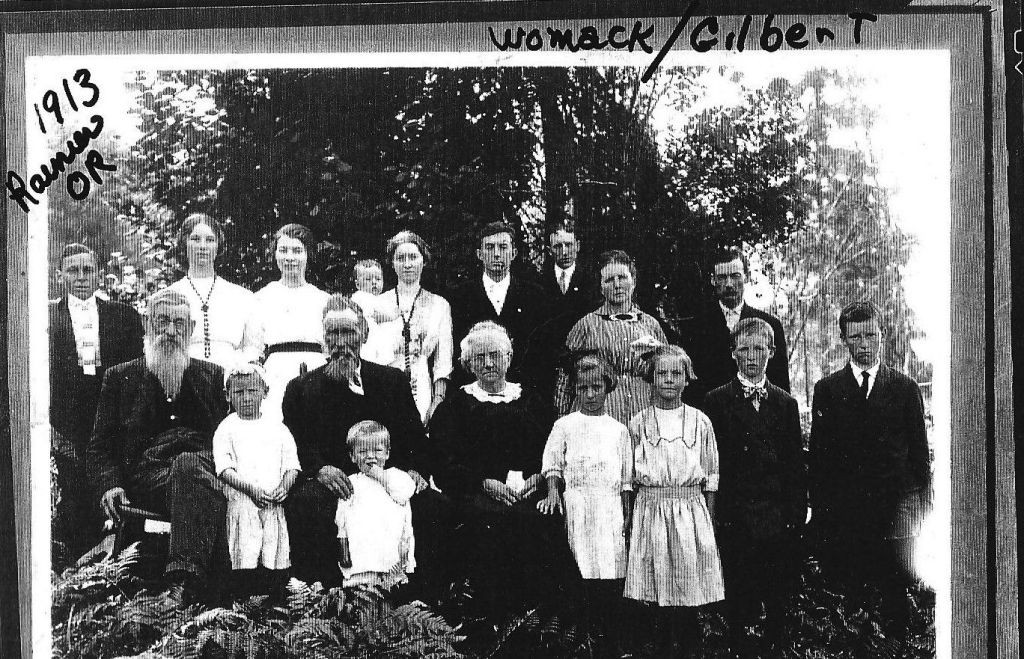
The Womack line in Kentucky was established by my great-great-great-grandfather, James Tignal Womack, who moved his family and his wealth from Prince Edward County, Virginia, to the Little Sandy River around 1812. When he passed away in 1827, his will divided twenty-three enslaved individuals among his heirs.
His son, Archer Tignal Womack, settled in Oldtown, Greenup County. The federal slave schedules show that he held eleven enslaved people in 1850 and seven in 1860. In the hilly terrain of eastern Kentucky, owning that many people made him a substantial slaveholder. This labor force directly matched the stories of large-scale tobacco farming and horse breeding.
Because Greenup County sat right on the Ohio border, it was a hotbed for the Underground Railroad. Local newspapers from January 1859 even document a “panic among the slaveholders” after two young enslaved men successfully escaped from Archer Womack’s farm, prompting him to sell others further south for security.
My great-great-grandfather, William Archer Womack, grew up directly inside this environment. When the Civil War broke out, he held intense Southern secessionist sympathies. He was eventually arrested by Union forces, treated as a prisoner of war, and sent north to Camp Chase, a notorious military prison in Columbus, Ohio, before returning home to Oldtown as a businessman after the war.
Discovering this census and military data didn’t change the timeline Carolyn corrected, but it gave the story a much deeper meaning.
My grandmother was raised by people who had actively participated in, profited from, and fought to defend the slaveholding South. Yet, somewhere along the way, she made a choice. She broke the cycle of prejudice. She refused to carry the dehumanizing language of that era into the ears of her children and grandchildren.
“From dust we came, and to dust we will go”, she oft-repeated. and perhaps it is in recognizing our shared dust that my grandmother found her grace. The woman she loved as a child may have been a hired servant rather than an enslaved nanny, but the true miracle of the story is that my grandmother chose to look backward at her family’s history, and then chose to walk forward with love.
I will be bringing a great deal more history in subsequent posts. Stay tuned if you dare.
In bringing this historical documentation to light, I have gratefully utilized AI as a digital tool and editorial assistant to help research, structure, and refine the narrative. However, the intellectual framework, the emotional weight, and the driving motivation behind this work are entirely my own. This remains, above all, a direct reflection of my own voice and my deeply personal desire to ensure this history is remembered.