Growing up on Kellogg Street in St johns, my world felt small, safe, and beautifully anchored by the people I loved most. Just around the block on Jersey Street stood my grandparents’ small house, and just as the house I grew up in, Grandma and Grandpa’s house always felt safe and full of love.
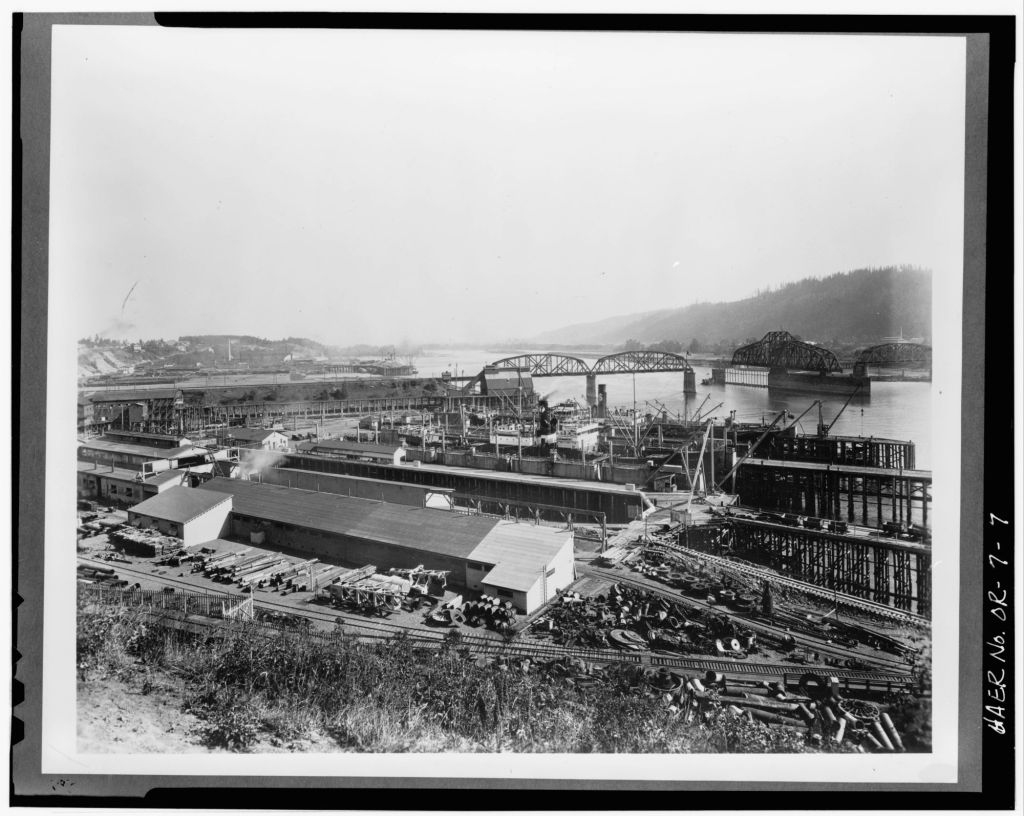
Grandpa would leave every morning from his house, with his metal lunchbox in hand, He would walk to the bluffs above the Willamertte River on the well worn paths, leading to the Western Cooperage Co. It wasn’t many blocks from the house.
Work at the cooperage, as I was told, was hard, relentless work—the kind of labor that demanded everything a man had to give. The cooperage was a place of heavy timber, iron hoops, and deafening machinery, a site of true sacrifice where workers like my grandfather traded their physical strength, and sometimes even their fingers, to provide for their families. Grandpa had very few full fingers. As a young child his hands were fascinating to me.
When the workday was over and the heavy labor was done, Grandpa came home, and I’m sure, eagerly anticipating what good food Grandma had made for dinner. He must have been exhausted and famished after a day at the cooperage.
Evenings at their house were simple and comforting. The fortunate days that I found myself at Grandma and Grandpa’s house, when Grandpa came in, he was carrying his metal lunchbox, and I would look inside and invariably, he had left a treat for us kids.
I can still picture the living room, Grandpa sitting in his favorite chair, almost always with his bible draped across his knees. I know that grandpa was a believer, but it wasn’t that he lived a quiet life. He raised black labradors for hunting fowl, and he was an extraordinary hunter of other animals and he was a quintessential fisherman. I’ve heard tell of his drinking days, and I think my father took after him in every way except the bible.
I can’t even imagine the days that Grandpa had lost a partial finger or a complete finger at work. What kind of pain must he have suffered. What kind of healing had to take place for those hands to still work. What kind of courage did it take for him to get up every day after losing part of his hand and to go back to that dangerous place to work.These are things I never thought of as a child.
The machinery at the cooperage was dangerous and noisy and had no safety mechanisms. The men fed these boards into the saws to create the staves for barrels. There was the formation of the heavy metal hoops and the formation of the barrels themselves. I cannot even imagine. See the postscript for some historical notes.
Though Grandpa was very loving, I don’t really remember having conversations with him. But climbing up into his lap in his comfortable chair was a favorite place of mine. I would hold his broken hands in mine, but never ask a question about them. And he never offered an explanation. I didn’t really know what had happened to his handa until I was almost grown.
Grandpa and Grandma’s house was ffilled with familiar sounds and sights.
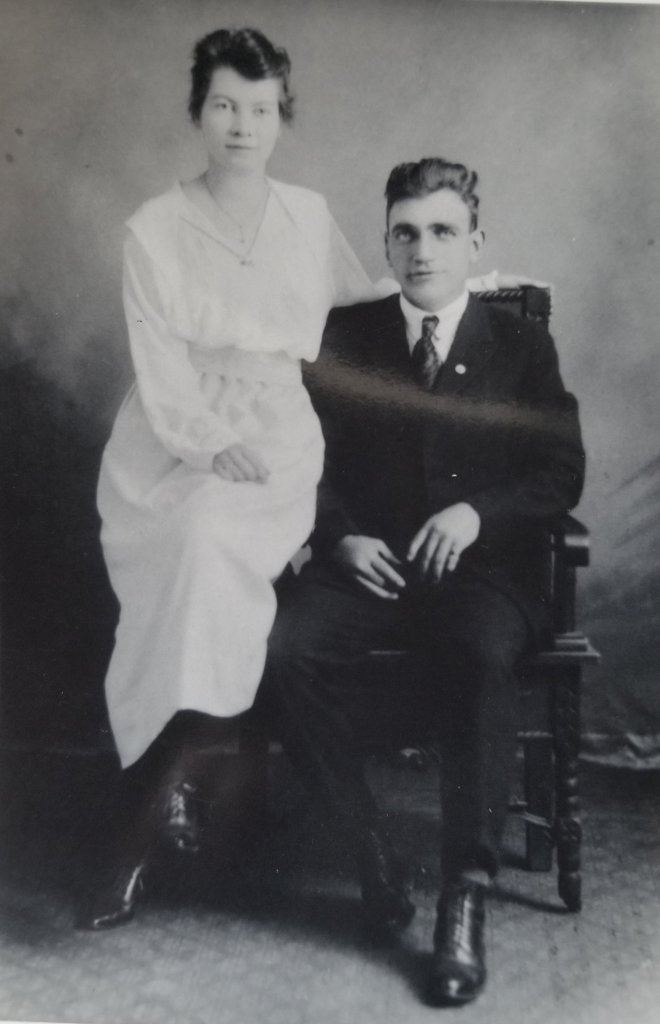
Edward Corliss Anderson
Sunday nights, without fail, Lawrence Welk and Oral Roberts, the televangelist, came on the television. After I contracted polio, it was a heavy weight on our family, yet Grandpa’s faith and love never wavered. When Oral Roberts would admonish those watching from the comfort of their homes, the television watchers, to lay their hands on those that they wanted to see healed, Grandpa would call me from my place on the couch with Grandma and he would have me sit between his slippered feet. He would place his worn, hardworking hands on my head and pray. In those moments, the hands that labored so fiercely at the cooperage became the ultimate source of tenderness, healing, and safety. Their home was a haven. Grandma and Grandpa prayed for my healing with all of their hearts with Grandpa’s hands on my head.
Postscript
The history of the Western Cooperage Company is a story of incredible industrial triumph, but it was built on the severe physical sacrifices of the men who worked the line. To achieve a massive output of 3,000 barrels a day, the factory relied on heavy, high-speed woodworking machinery that operated with completely unguarded gears, blades, and chains.
In the early 20th century, the factory floor was a landscape of immense physical risk:
* The Jointer and Stave-Bucking Machines: These used rapidly rotating, exposed steel blades to shave heavy Douglas Fir down to precise curves. A split second of fatigue while feeding the wood meant fingers could instantly catch the blades.
* Hoop-Driving Presses: These powerful mechanical winches forced the iron hoops around the wood under crushing pressure, creating notorious pinch points that could easily sever a hand.
* Exposed Belts and Pulleys: Centralized steam engines turned heavy leather belts dangling over every workstation. Without modern automatic emergency stops, a caught sleeve or stray hand would drag a worker directly into the gears.
In an era before modern safety regulations, factory owners routinely prioritized the blistering speed of the assembly line over basic physical safeguards. For the workers, losing a finger or part of a hand was a tragic, everyday risk of the trade—making the quiet endurance of men like Grandpa all the more profound.

